Home > Blog > Empresas de antes frente a las empresas de ahora

Post

Empresas de antes frente a las empresas de ahora

Hace 10 años no existía el iPhone. El Internet, apenas lo utilizabamos. Hoy, no se nos ocurre un día sin escribir un mail o abrir Google Maps. ¿Y las empresas? Pues igual sí han cambiado, pero quizá no tanto como deberían. Y no es culpa de los Millennials.

Adiós al horario 9-17. Adiós al puesto de trabajo fijo. Adiós a los colores grises, marrón y el café malo. Las empresas viven su revolución copernicana y este cambio no tiene que escaparse de tus manos.

Logística

¿Recuerdas cuando tenías que despertarte pronto para llegar a tu oficina y marcar tarjeta? Pues sí, así eran las empresas de antes mantenían un horario fijo. Mientras que las de ahora cada vez más apuestan por un horario flexible.

La comunicación, por su lado, era muy cerrada, frente a la comunicación abierta de las de ahora. Y ni qué hablar del poco uso de las herramientas digitales, todo tu escrito lleno de papeles y libros, mientras que hoy en día todo es digital.

Oficina

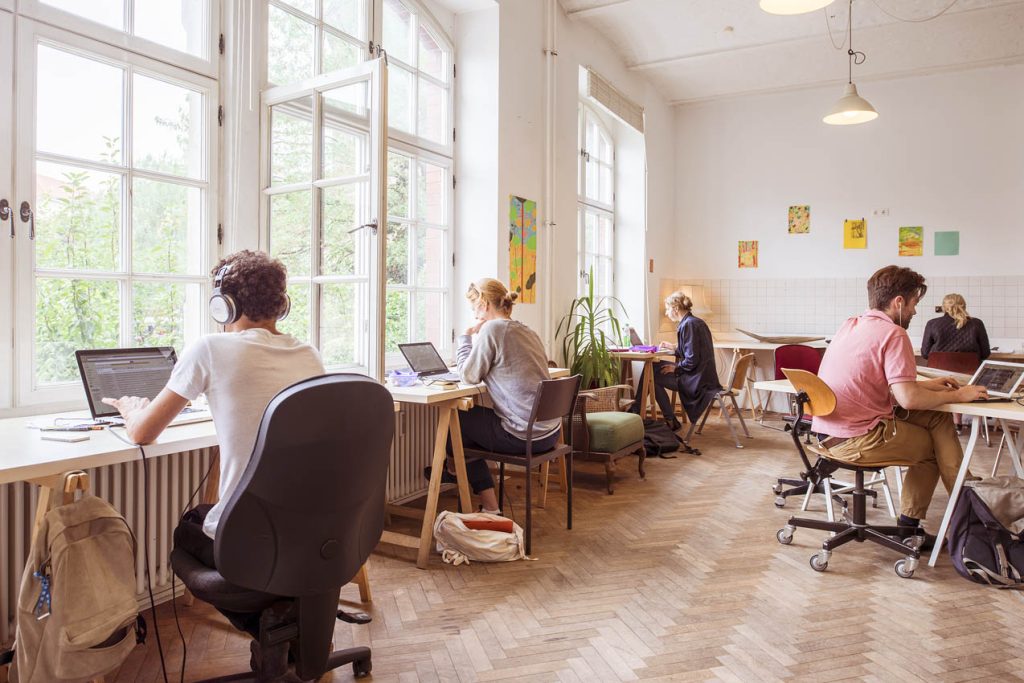
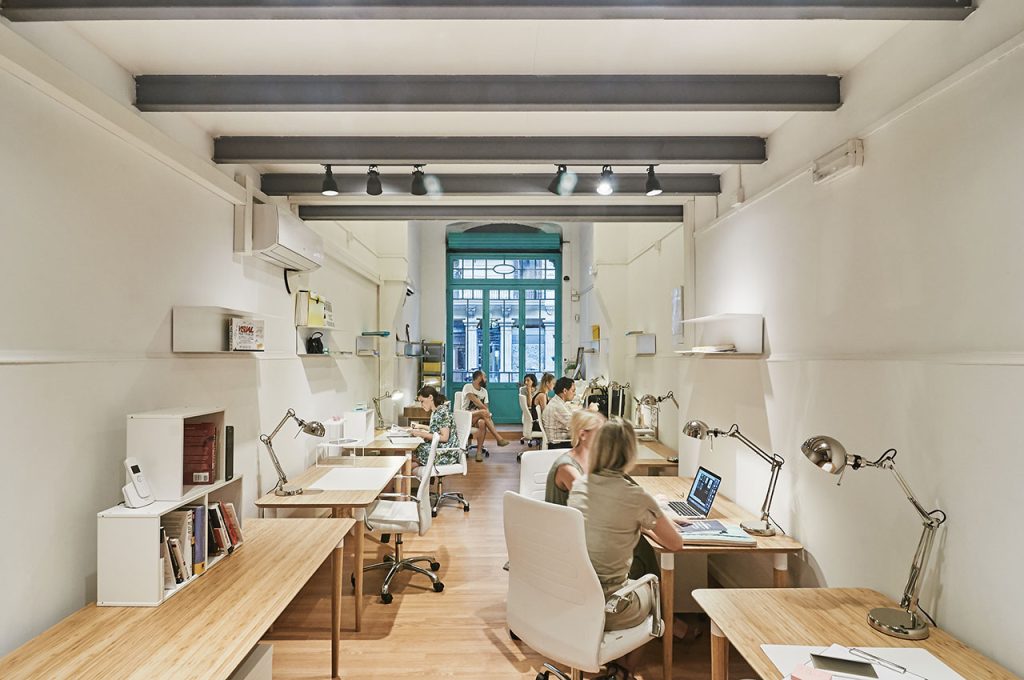
Una silla, una mesa, un ordenador y poca cosa más en cuatro aburridas paredes. Así eran las oficinas de antes. Hoy en día las oficinas tienen el concepto de un lugar abierto, cómodo, flexible, en el cual además tienes una zona para el cuidado personal, pues sí, todo no es trabajo.

Cultura

Cuando para hablar con el jefe tenías que enviarle una carta o pedir cita y siempre tenía la agenda llena, ¿recuerdas? Por el contrario, ahora existe una comunicación horizontal, en la cual todos están intercomunicados y pueden aportar con ideas. Una buena manera de fomentar nueva cultura es organizando talleres para tus equipos.

Productividad

Habías terminado todo tu trabajo pero claro, no era hora de salida, entonces había que “calentar la silla” hasta que sea la hora. Claro, tu jefe piensa que porque estás en tu sitio, frente al ordenador, estás trabajando.  Cuando puedes estar viendo tu serie favorita o en las redes sociales o leyendo cosas personales.

Por su lado, hoy en día las empresas piensan, si ya has terminado y lo has hecho bien ¿por qué tienes que seguir “calentando la silla?.

Optimización

Esto de dejarlo programado no va, ¿y si algo sale mal? así piensan las empresas de antes. Por ende contratan más personal o en su defecto tienen a sus empleados trabajando más horas.

Las empresas modernas tienen a la optimización como principal aliado, ya que lo buscan es ahorrar tiempo y costos. Y al ahorrar tiempo hablamos de una conciliación de lo laboral con lo personal.

Herramientas

A diferencia de las oficinas antiguas, las oficinas modernas utilizan diversas herramientas tecnológicas, ya que necesitan estar conectados y que todo esté optimizado. Para estar comunicados herramientas como Slack / Skype / Appear.in van muy bien. Para acceso a archivos: google drive, dropbox o sistema interno. Y si te preocupa la privacidad: VPN de empresa.

¿Se te ocurre alguna diferencia más o alguna experiencia que quisieras compartir?
Read more from our blog

  • The surprising variety of the Coworking ecosystem

    The surprising variety of the Coworking ecosystem

    Coworking is richer than it looks. There is a infinite variety of spaces, communities and initiatives. Here is a non exhaustive list. It might help new comers better understand the subtle differences between each and so better chose their future cowork.

    Read post

  • Remote is not only about no-office, relationships matter too [reading]

    Good read: Offices matter, but not as much as happy, productive employees.   One misconception about remote work is that it hinders collaboration. In my experience, the inverse is more likely: offices hinder independent work. The Difference Between “Remote” and “Remote-First”… by @unsalted https://readthink.com/the-difference-between-remote-and-remote-first-7dd38458855f#.bs2brhlv8 [reading] is a serie of posts offering a selection of interesting articles…

    Read post

  • The start-ups that make digital nomadism possible [reading]

    TechCrunch is talking about nomadism and all the start-ups that make it possible. Nice. Traveling the globe used to be relegated to gap years and retirement fantasies, but thanks to tech innovation and some forward-thinking startups, you can now see the world while you take the professional realm by storm. How the startup world is…

    Read post

  • First award for Daysk !

    First award for Daysk !

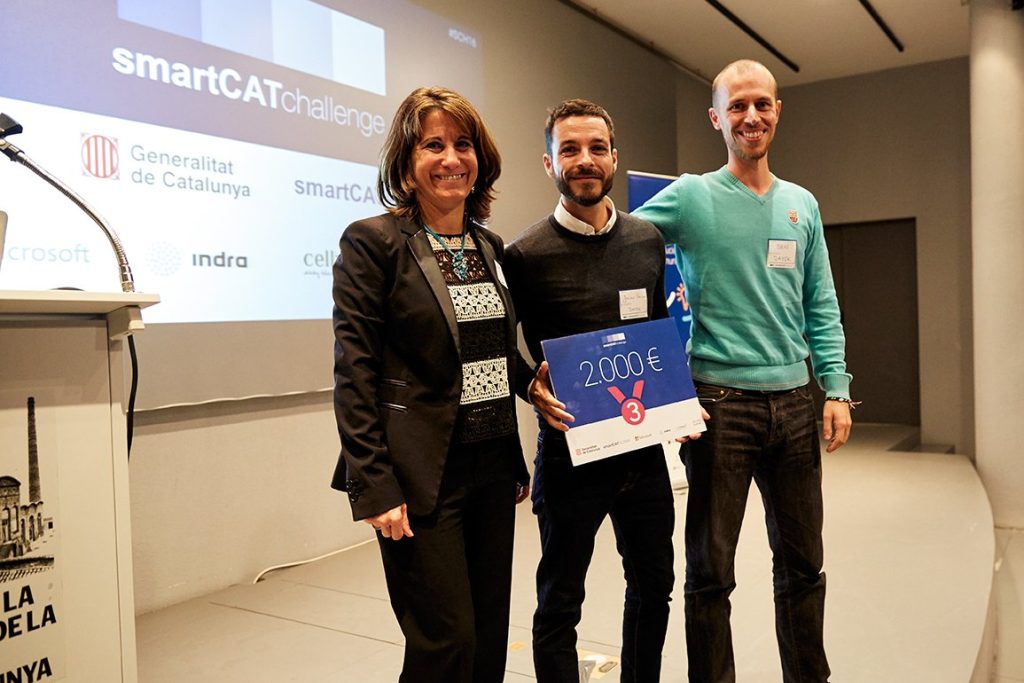
    We’ve been awarded with the 3rd prize from the smartCATchallenge on Thursday 26th of September.

    Read post

  • Flexible work at the heart of any HR policy? Yes, says Inc. Magazine [reading]

    Inc. Magazine explains why Flexible options are critical in any HR policy in order to attract and retain talent, especially millennial profiles. Interesting take on a trend that is going mainstream.   Lastly, no Millennials (or any other generation surveyed) cited the “office during traditional hours as their location of choice for optimum productivity.”  …

    Read post

  • Some good tips for coworking spaces to boost their community [reading]

    Coworking spaces: community is everything. Here are 21 ideas to make it work   21 event ideas for coworking spaces https://thereceptionist.com/21-event-ideas-for-coworking-spaces/   [reading] is a serie of posts offering a selection of interesting articles we share with our readers.

    Read post

  • 3 ways to implement remote working in your company

    3 ways to implement remote working in your company

    So you’re willing to go remote? Congrats! It has been proven one of the best way to foster trust and engagement within employees. But from the technical deployment (some will needs increased security) to the diversity of remote policies you can deploy, the journey is not an easy one. Here is a quick summary of…

    Read post

  • Remote working as a strategy to retain talent [reading]

    Can Remote working be the key to drive employee retention ? Skilled professionals choose contract work for a lot of reasons. Topping that list is flexibility. In-Demand Employee Retention Strategies for an On-Demand Workforce http://www.business2community.com/strategy/demand-employee-retention-strategies-demand-workforce-01607643     [reading] is a serie of posts offering a selection of interesting articles we share with our readers.

    Read post

  • Remote working is on the rise in the US [reading]

    Forbes explains in this article why the future is remote and how several studies prove flexibility will be a key component for any People Management strategy.   According to the Bureau of Labor Statistics, 24% of workers in 2015 did some or all of their work at home, which is up from 19% in 2003.…

    Read post